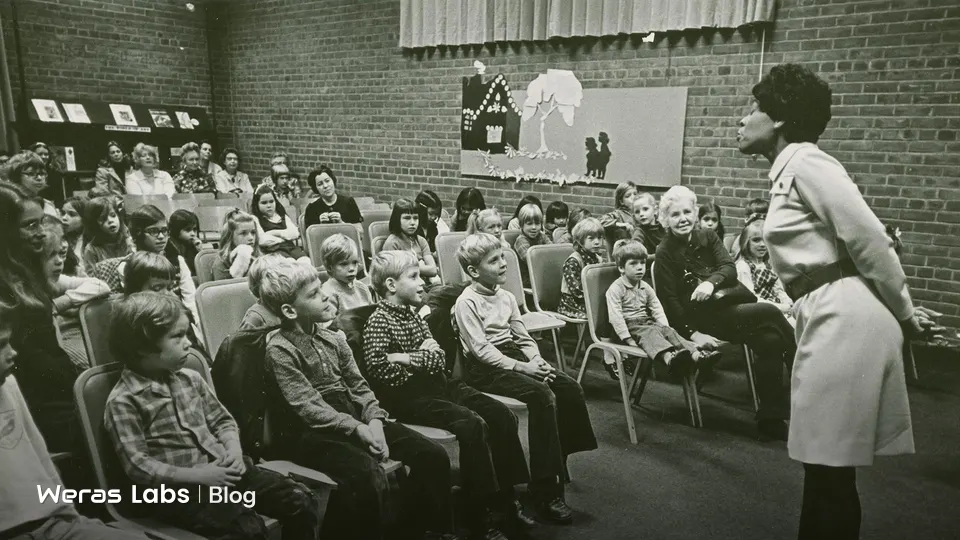
Effective presentation techniques aim to actively involve your audience and make your message lasting by offering an experience beyond mere information. This is achieved not just by preparing slides, but by crafting a narrative, understanding your audience, and mastering your stage presence. Your goal is to ensure your audience not only hears but also feels and acts upon your message.
Understanding Your Audience: The First Step to Success
At the heart of a successful presentation lies a deep understanding of your audience. Before you begin preparing your presentation, ask yourself these questions: Who are my listeners, what is their current knowledge level on the topic, and what do they expect from this presentation? The answers to these questions will guide you in shaping your content and presentation style.
Understanding your audience's needs, expectations, and interests allows you to tailor your presentation from their perspective. This audience analysis helps you define the purpose of your presentation and convey your message most effectively. For instance, if you are presenting to a technical audience, you might focus on detailed data, whereas for a general audience, you might emphasize broader concepts and practical applications.
The Power of Storytelling: Making Your Message Memorable
The human brain processes and remembers information better through stories than through dry facts. Incorporating a storytelling element into your presentation enables you to build an emotional connection with your audience and make your message memorable. A story can simplify complex ideas, concretize abstract concepts, and keep your audience engaged throughout your presentation.
Structure your presentation within a narrative framework: an introduction (the hook), a development (a problem or conflict), and a conclusion (the solution or your main message). You can enrich your story by drawing on personal anecdotes, case studies, or metaphors. This approach allows your audience to connect with your presentation not only logically but also emotionally.
Structuring Your Narrative for Impact
The structure of your presentation directly influences the clarity and flow of your message. A well-structured presentation makes it easier for your audience to follow along from start to finish and reinforces your key ideas. Generally, a presentation has three main sections: introduction, body, and conclusion.
- Introduction: Capture your audience's attention, introduce the topic, and state what benefits your presentation will offer them. A strong opening immediately grabs their interest and encourages them to listen.
- Body: Present your main points in a logical flow. Support each point with data, examples, and evidence. Break down complex topics into smaller, digestible parts and ensure clear transitions between sections.
- Conclusion: Summarize your main message, reiterate key takeaways, and call your audience to action. A memorable closing enhances the impact of your presentation and ensures your audience takes your message home.
| Feature | Slide-Centric Presentation | Audience-Centric Presentation |
|---|---|---|
| Goal | Information transfer | Understanding, persuasion, action |
| Content | Dense text, graphics-heavy | Minimal text, strong visuals, key ideas |
| Focus | What the presenter will say | Audience needs and expectations |
| Interaction | One-way, Q&A at the end | Dialogue, participation, feedback |
Designing Visuals for Clarity and Support
Your slides should be a strong support for your presentation, not the main character. Embrace the principle of visual simplicity, focusing on one main idea per slide and avoiding unnecessary text. Slides should complement your talk, never replace it. Use large fonts and contrasting colors to enhance readability.
Charts, tables, and images can make complex data more understandable. However, remember that the purpose of visual materials is to reinforce your message. Cluttered or confusing visuals can distract your audience and diminish the impact of your presentation. Make sure to choose high-quality, relevant, and meaningful visuals.
Mastering Delivery: Presence and Practice
Even the best-prepared presentation cannot reach its full potential without effective delivery. Stage presence encompasses a set of skills that enable you to connect with your audience and convey your message with confidence. Your body language, eye contact, posture, and hand gestures are crucial communication tools that reinforce your verbal message.
Be aware of your tone of voice, pace, and emphasis. A monotonous tone can cause your audience to lose interest, while well-placed emphasis can reinforce your key points. Practicing extensively before the presentation improves both your mastery of the content and your timing and flow. Practice ensures your presentation appears natural and self-assured.
Handling Interaction and Q&A
The question-and-answer session at the end of your presentation is a valuable opportunity to interact with your audience and address their queries. Being prepared is essential for effectively managing this segment. Anticipating potential questions and preparing concise, clear answers will boost your confidence.
Listen carefully to questions, ensure you understand them, and ask for clarification if necessary. Strive to keep your answers clear, concise, and to the point. Time management is critical here too; ensure you allocate enough time for each question while making sure you can address all of them. Handle challenging or critical questions with a diplomatic and professional approach.
Summary
Delivering an effective presentation is far more than just conveying information; it's about building a meaningful connection with your audience and inspiring them to act. By applying the techniques discussed in this guide, you can transform your presentations into unforgettable experiences. To begin, thoroughly analyze your audience, structure your presentation's core message as a memorable story, and practice extensively to enhance your stage presence. These steps will ensure your message reaches the right audience, in the right way.
From Weras Labs
We can help you with this
We turn what you just read into working software for your business. You talk to the person writing the code; price and timeline are clear from day one.
Frequently asked questions
Why is storytelling important in a presentation?
Storytelling helps audiences build an emotional connection, makes your message more memorable, and clarifies complex ideas. People tend to remember stories more easily than raw facts.
What is the most important preparation before a presentation?
Audience analysis is the most critical step before a presentation. Understanding your audience's knowledge level, expectations, and needs allows you to tailor your content and presentation style effectively.
How can I make my slides more effective?
Embrace the principle of visual simplicity in your slides. Focus on one main idea per slide, use minimal text, and support it with high-quality, relevant visuals. Slides should be a visual aid, not a summary of your speech.
About the author

Habip Dayan
Founder of Weras Labs
Habip Dayan is the founder of Weras Labs, a company that builds software products for professionals and teams. He has been building software since 2018 and writes about AI, cloud architecture and product design.
Comments
Be respectful; no ads or personal data. Comments that break the rules are removed.


